


- Behind the Scenes
Why legacy ticketing is failing experience-led events: insights from Skiddle’s Head of Development
-
By Dale Grogan
- 08 Jul 2026
- 10 min read
Experience-led events are evolving rapidly. From Halloween attractions and Christmas grottos to museums and guided tours, organisers are increasingly managing hundreds of timed sessions across busy trading periods.
To help meet that demand, Skiddle has introduced major upgrades to its Session-Based Ticketing feature. We sat down with Head of Development Neil Meredith to discuss why traditional ticketing models are struggling to keep pace, what’s changed in the latest release, and how the new tools can help organisers reduce event admin while improving attendee management and maximising revenue.
Why are traditional admission tickets no longer enough for many modern events?
“Traditional ticketing is built around a single admission capacity for an entire day or event. While that works for some events, it becomes much harder to manage as visitor numbers grow and experiences become more time-sensitive.
“One of the biggest challenges is controlling visitor flow. When large numbers of customers arrive at once, organisers face long queues, which puts more pressure on staff, even if overall attendance is within capacity. Traditional models also offer little flexibility for managing demand throughout the day, often leaving some sessions overcrowded while others are underused.
“Session-Based Ticketing solves this by allowing organisers to manage capacity across individual arrival windows rather than a single daily allocation. Capacity is controlled at session level, giving organisers greater visibility over attendance patterns and the flexibility to respond to demand.
“By spreading visitors more evenly throughout the day, organisers can reduce bottlenecks, improve the customer experience and make better use of available capacity. That helps maximise attendance across operating hours while maintaining a safe and comfortable environment.
“Importantly, we’ve made Session-Based Ticketing available at no additional cost, giving organisers access to advanced capacity management without the need for specialist software.”
Watch our how-to video tutorial on using Session-Based Ticketing for your events
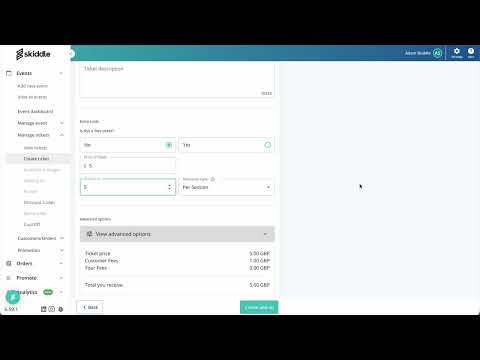 Watch video
Which organisers benefit most from Session-Based Ticketing?
“The biggest benefits are seen by organisers managing high visitor volumes within a limited space, particularly during busy seasonal trading periods where maximising capacity is essential.
“Halloween attractions, Christmas grottos and festive light trails are obvious examples. These events operate within a relatively short window and need to accommodate as many visitors as possible without compromising the customer experience.
“The feature is equally valuable for year-round attractions such as museums, galleries and guided tours, particularly during peak periods like school holidays.
“Across all of these sectors, the challenge is the same: balancing commercial performance with operational efficiency. Session-Based Ticketing helps organisers achieve both.”
What’s new in the latest version of Session-Based Ticketing?
“While Session-Based Ticketing has been available through Skiddle for some time, this latest update is a significant evolution of the platform. The focus has been on giving organisers greater control over pricing, promotions and capacity, while reducing the manual work involved in managing large-scale events.
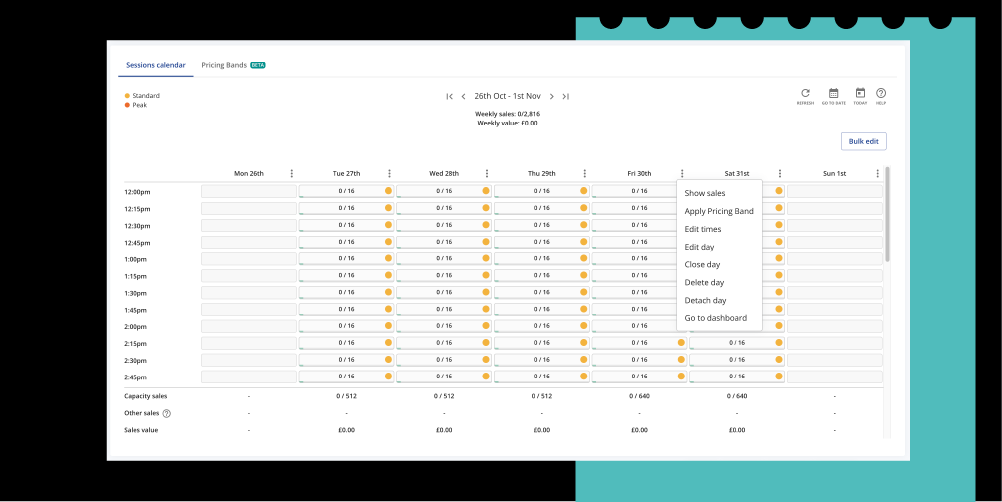
“One of the biggest additions is Pricing Bands, allowing organisers to apply different pricing structures to selected dates within an Event Series using Session-based Ticketing. Rather than creating duplicate events or ticket types, pricing can now be managed centrally through the Sessions Calendar, making it much easier to incentivise quieter sessions or maximise revenue during peak demand.
“We’ve also expanded our promotions and Discount Code functionality, enabling organisers to run targeted campaigns across selected dates and ticket types within an Event Series.
“Flexibility was another major priority. Events rarely perform exactly as expected, so organisers need to react quickly. The updated platform makes it easier to adjust pricing, promotions and session capacities as demand changes, helping organisers make data-driven decisions without adding unnecessary admin.
“Behind the scenes, we’ve also improved scalability by automating processes that previously required manual workarounds, creating a more efficient system for managing events with large numbers of sessions.”
Watch our how-to video tutorial on using Pricing Bands with Session-Based Ticketing
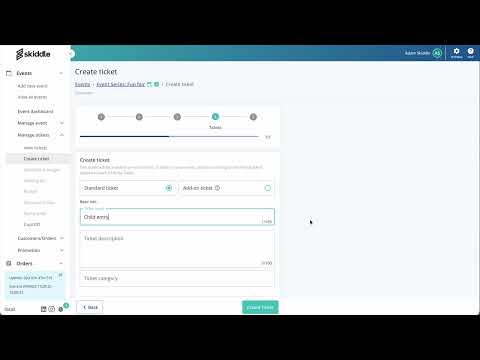 Watch video
Why did the platform need a complete rebuild?
“The events industry has changed significantly over the last few years. What may once have been a handful of sessions can now mean hundreds of time slots spread across weeks or even an entire season.
“While the original version of Session-Based Ticketing performed well, it required too much manual oversight for larger events. As organisers adopted the feature on a bigger scale, it became clear the platform needed stronger automation and the ability to manage far more complexity.
“Rather than continuing to build on the existing system, we rebuilt the foundations with scalability in mind. One of the biggest changes was increasing the maximum size of an Event Series from 100 upcoming dates to 365, allowing organisers to manage an entire year’s worth of sessions within a single series.
‘The rebuild was also designed with busy trading periods in mind, helping organisers handle large visitor numbers and operational changes without increasing administrative workload.”
How have you reduced the admin involved in managing large session-based events?
“One of our biggest development goals was to automate as much of the setup process as possible.
“We built the platform around a “configure once, apply everywhere” approach. Organisers create a single set of tickets and define their session structure, while the system manages the complexity behind the scenes.
“Sales are automatically tracked against the correct sessions, capacities update in real time, and availability is managed automatically, reducing work that previously took hours to just a few minutes.
“We also introduced bulk management tools through the Sessions Calendar, allowing organisers to update capacities, close sessions or make changes across multiple dates in a single action.
“Automation continues beyond the initial setup, too. If organisers add new dates or sessions, existing ticket types are applied automatically. Likewise, if new ticket types are created, they’re automatically made available across future sessions, removing the need for repetitive manual updates.”
How can the new updates help organisers increase revenue?
“Many seasonal attractions generate significant revenue from merchandise, food and drink, VIP experiences and other upgrades, but managing these alongside timed entry has traditionally been difficult.
“The new system allows organisers to link relevant add-ons directly to a customer’s chosen session, creating a smoother upsell journey during checkout when purchase intent is highest.
“Combined with Pricing Bands, organisers have greater flexibility to encourage demand during quieter periods while maximising revenue during busier sessions.
“The platform also provides better visibility into purchasing behaviour, helping organisers understand which sessions, products and upgrades perform best so they can refine future offers and improve profitability.”
How do the latest updates help organisers deal with cancellations and unexpected disruption?
“Previously, cancelling part of an event often meant a time-consuming manual process involving customer identification, communication, refunds and rebooking.
“The latest cancellation tools allow organisers to cancel specific sessions or dates without affecting the wider event. The system identifies affected customers, manages communication and supports refunds or rebooking, while leaving the remaining sessions untouched.
“We’ve also introduced a simpler self-service rebooking journey through the Skiddle app and website, allowing customers to move to another available session themselves.
“For seasonal events operating within a short trading window, retaining those bookings can make a significant difference to overall revenue.”
How do these upgrades improve the customer experience?
“Session-Based Ticketing helps deliver a smoother arrival experience by spreading attendance more evenly throughout the day, reducing queues and easing congestion at entry points.
“It also gives organisers greater visibility over expected attendance, making it easier to plan staffing, allocate resources and maintain comfortable visitor numbers. That helps improve safety while creating a better overall experience for guests.
“At the gate, RapidScan gives staff the flexibility to make informed decisions when customers arrive earlier or later than expected, helping balance operational control with good customer service.
“Finally, Pricing Bands give organisers the flexibility to offer lower-priced off-peak sessions alongside premium peak-time experiences, allowing visitors to choose an option that best suits their schedule and budget.”
Ready to list your first Session-Based event? Log into the Skiddle Promotion Centre or create your account for free, and start benefiting from this powerful free tool.
Tags
Got a question you need an answer to?
Give us a call on 03333010301 or ask us a question over on the Skiddle Promoter Twitter account by clicking or tapping on the button below. Alternatively, you can also find a list of our most frequently asked questions over at https://help.promotioncentre.co.uk
Latest articles
Read article
Welcome to Skiddle: Africa Oyé
-
By Dale Grogan
- 20 Oct 2026
- 3 min read
Read article
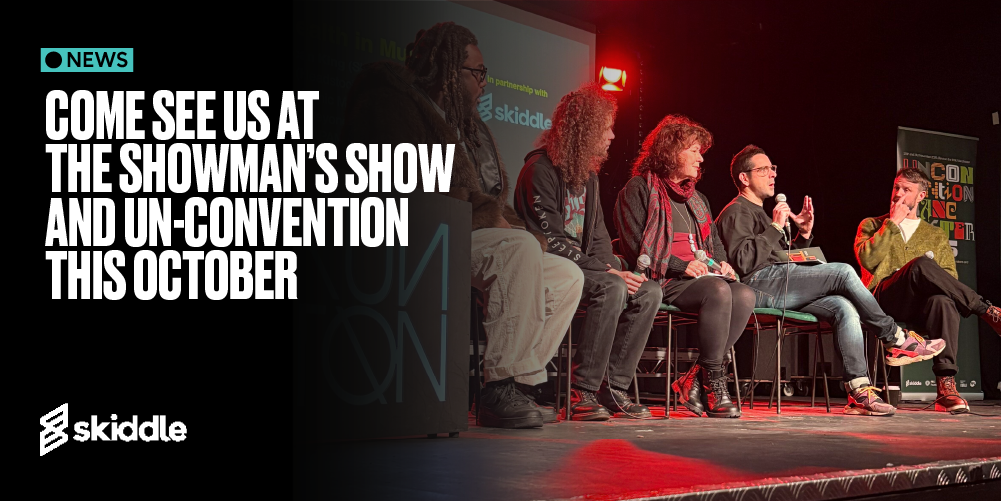
Come see us at The Showman’s Show and Un-Convention this October
-
By Dale Grogan
- 13 Oct 2026
- 7 min read
Read article
Welcome to Skiddle: Magna Science Adventure Centre
-
By Dale Grogan
- 08 Oct 2026
- 3 min read
Read article

Lancashire Music Association takes music-career support on the road
-
By Dale Grogan
- 07 Oct 2026
- 3 min read
Read article

How to promote Bonfire Night events and fireworks displays
-
By Dale Grogan
- 01 Oct 2026
- 12 min read
Read article
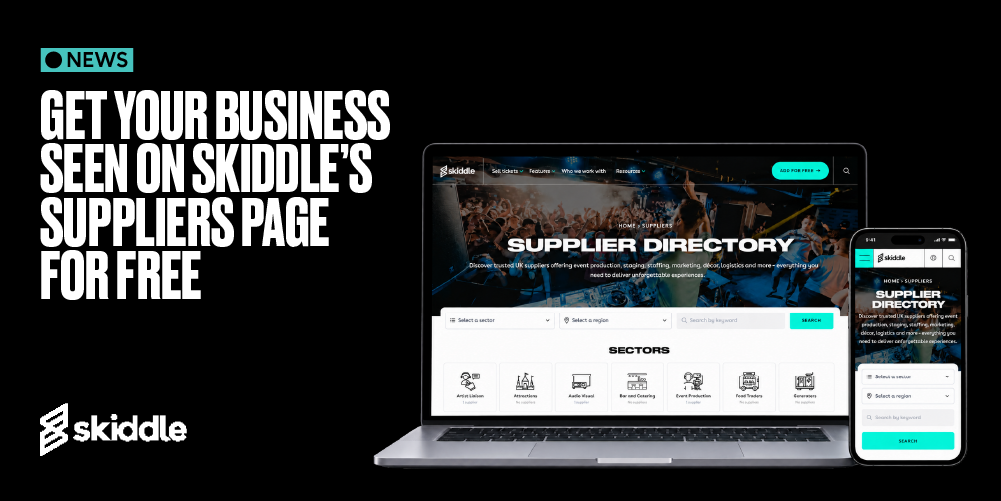
Get your business seen on Skiddle’s Suppliers Page for FREE
-
By Dale Grogan
- 30 Sep 2026
- 4 min read
Read article
Skiddle announced as sponsors of Red Rose Awards 2027
-
By Dale Grogan
- 28 Sep 2026
- 3 min read
Read article

Skiddle champions emerging talent with Youth Music Awards sponsorship
-
By Dale Grogan
- 23 Sep 2026
- 3 min read
Read article
Skiddle’s latest NPS results earn “Excellent” ratings
-
By Dale Grogan
- 22 Sep 2026
- 3 min read
Read article
Welcome to Skiddle: Bearfoot Productions
-
By Dale Grogan
- 21 Sep 2026
- 3 min read
Accessibility settings
Accessibility profiles
Content
Navigation
Colour